“Slave of the Cannibal God” (1978) is a horror film about an expedition to a remote island where a brother is searching for his missing sister. They encounter dangerous cannibals, treacherous terrain, and deadly traps. It’s a thrilling and suspenseful journey filled with danger at every turn. The movie is not for the faint-hearted as it contains graphic scenes of violence, nudity, and gore. Overall, it’s a classic B-movie that delivers on its promise of horror and adventure.
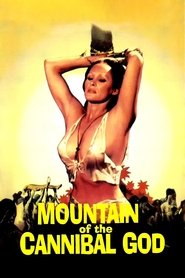
CLICK HERE⇣⇣⇣🍿_Watch Slave of the Cannibal God 1978 English Subtitles_
Review
Embracing vulnerability and exploring cultural taboos: A journey into the wilds of “Slave of the Cannibal God”
If you’re in the mood for a truly adventurous and provocative cinematic experience, look no further than “Slave of the Cannibal God” (1978), a cult classic of exploitation horror that defies easy categorization. Directed by Sergio Martino and starring Ursula Andress and Stacy Keach, this Italian production blends elements of jungle adventure, cannibalism, sexploitation, and occultism into a heady brew that challenges both senses and sensibilities. While not for everyone, “Slave of the Cannibal God” offers a bold example of how movies can push boundaries and reveal hidden fears.
The plot of “Slave of the Cannibal God” revolves around Susan Stevenson (Andress), a glamorous photojournalist who travels to New Guinea with her brother Arthur (Antonio Marsina) to search for her husband Henry (Keach), who disappeared while on an expedition to discover a lost tribe. Accompanied by guide Manolo (Claudio Cassinelli) and anthropologist Edward Foster (Franco Fantasia), Susan encounters various obstacles on her perilous journey, including hostile natives, treacherous terrain, deadly animals, and dangerous drugs. As she delves deeper into the mysteries of the jungle, Susan learns more about her own desires and fears – as well as those of others.
One notable aspect of “Slave of the Cannibal God” is its depiction of native cultures. While some critics have accused the film of racism or stereotyping, others have praised it for its sensitivity and curiosity towards non-Western ways of life. Martino reportedly conducted extensive research into Papua New Guinean customs and rituals before making the movie, which features several scenes depicting ceremonies such as initiation rites or cannibal feasts. The portrayal of cannibalism is especially controversial, as it plays into a long-standing trope of indigenous people as savages who consume human flesh. However, Martino also shows the complexity and diversity of New Guinean societies, with their varied beliefs, social structures, and ecological adaptations. The film raises questions about cultural relativism and cultural clashes that resonate even today.
Another notable aspect of “Slave of the Cannibal God” is its use of sexuality and violence to shock and titillate audiences. Like many exploitation films of its time, “Slave” features explicit nudity, sexual situations, and gore – sometimes in the same scene. Some viewers may find these elements gratuitous or offensive, while others may appreciate them as part of a deliberate strategy to confront taboos and push buttons. For instance, one scene purportedly involves Andress’s character being violated by a giant python – a sequence that caused controversy upon release but may also reflect fears about female vulnerability in hostile environments.
Apart from its controversial content, “Slave of the Cannibal God” boasts some impressive technical factors. The score by composer Guido De Angelis creates a haunting soundscape that blends tribal percussion with electronic effects and eerie vocals. The cinematography by Giancarlo Ferrando captures both the beauty and danger of the jungle setting, using natural lighting and dynamic angles to immerse us in the action. The editing by Eugenio Alabiso keeps the pace brisk and suspenseful, cutting between various subplots and characters with skillful transitions.
The cast of “Slave” deserves some praise too, especially Andress who brings charm, gutsiness, and vulnerability to her role as Susan Stevenson. Andress had previously starred in iconic films such as “Dr No” (1962) or “The Blue Max” (1966), but had reportedly grown tired of playing glamorous but passive women on screen. In “Slave”, she gets to be more assertive and resourceful, even if she still falls into some gender stereotypes. Keach, too, delivers a solid performance as the explorer who may have gone too far in his quest for knowledge. Keach had just come off successes such as “Fat City” (1972) or “The New Centurions” (1972), and brought a sense of gravitas to his role.
Despite its merits, or perhaps because of them, “Slave of the Cannibal God” has attracted both fans and detractors over the years. Some aficionados consider it a masterpiece of trash cinema that subverts expectations and challenges norms, while others denounce it as an exploitative and offensive piece of schlock that demeans both indigenous cultures and human dignity. In any case, the film remains an intriguing artifact of its time and place – a time when movies dared to go where angels fear to tread and tackle raw emotions with outrageous imagery.
So what can we learn from “Slave of the Cannibal God” in Brené Brown style? Perhaps one lesson is that vulnerability can be both risky and rewarding. When we expose ourselves to new experiences or people who differ from us, we may encounter discomfort or danger – but also growth and discovery. By embracing our own fears and limitations, we can better appreciate those of others and build bridges across cultures or identities. Another lesson is that exploring cultural taboos can reveal hidden biases or prejudices that we might not even be aware of. By confronting our assumptions about what is normal or acceptable behavior, we can challenge ourselves to expand our perspectives on humanity. A third lesson is that movies are not just entertainment but also powerful tools for reflection and inspiration. By watching films like “Slave”, we can reflect on our own values, strengths, weaknesses, hopes, and fears – as well as those of others who may seem different from us at first glance.
In conclusion, whether you love or hate “Slave of the Cannibal God”, it’s hard to deny its impact and legacy. This film dares to go beyond the borders of conventional morality and taste, and invites us to join its wild ride into the unknown. By watching “Slave”, we may feel uncomfortable or shocked at times – but we may also feel alive and alert to the wonders and horrors of existence. This film reminds us that life is never simple or safe, but always full of surprises and challenges. Will you dare to join Susan Stevenson in her quest for truth, or will you stay behind in your comfort zone? The choice is yours.
Technical Data

- Runtime : 100
- Release : 1978-05-23
- Genre : Adventure, Horror
- Cast : Ursula Andress as Susan Stevenson, Stacy Keach as Professor Edward Foster, Claudio Cassinelli as Manolo, Antonio Marsina as Arthur Weisser, Franco Fantasia as Father Moses
- Crew : Eugenio Alabiso as Editor, Guido De Angelis as Original Music Composer, Maurizio De Angelis as Original Music Composer, Sergio Martino as Screenplay, Sergio Martino as Director
- Popularity 10.813
- Budget : 0
- Revenue : 0
- Company : Dania Film, Medusa Distribuzione
- Summary : A girl and her brother fly to New Guinea to look for a lost expedition, led by her husband, which has vanished in the great jungle.
- Tagline : THEIR CULT WAS DEATH… THEIR LUST WAS FOR BLOOD!
